Behind the polished streets of The Hills Shire many families are quietly struggling with housing and transport stress.
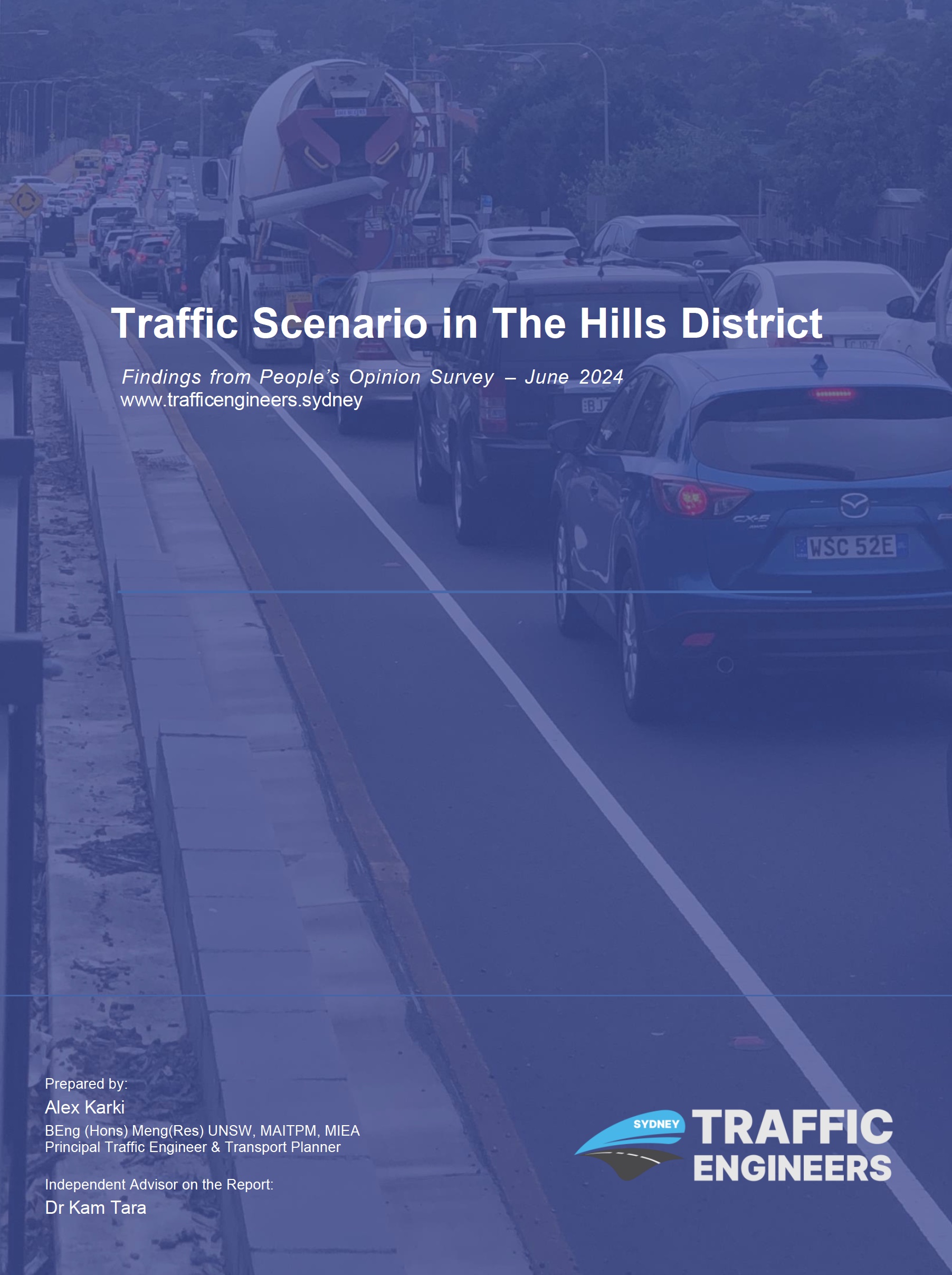
Figure 1

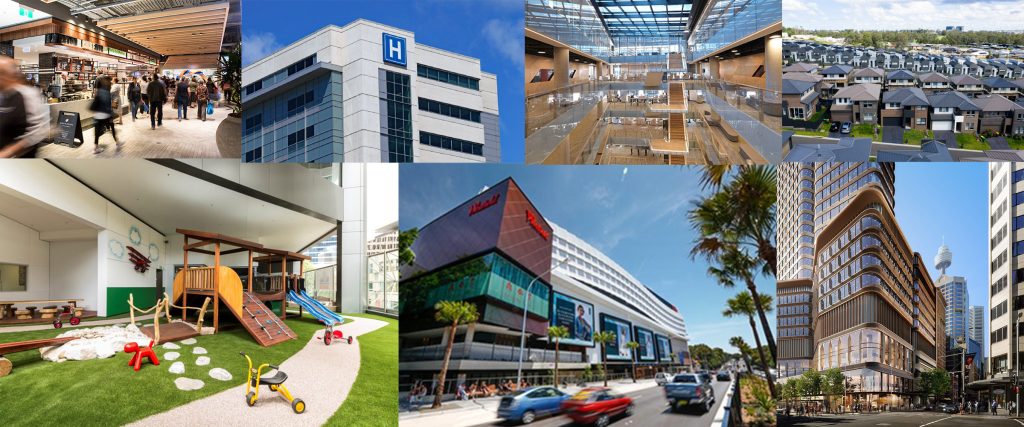
The Hills Shire is often showcased as a blueprint for suburban success, featuring well-kept gardens, bustling retail hubs, and reliable transportation connections. Yet behind the neat rows of homes and the hum of construction lies a quieter issue: many people are struggling to stay.
Rising rents and limited affordable housing are forcing residents—particularly low-income families, essential workers, and those escaping domestic violence—to relocate further away from their communities. As people are pushed to the periphery in search of housing they can afford, they are also being pushed away from the very transport links that allow them to participate in daily life.
This displacement isn’t just a housing issue—it’s a transport and urban planning challenge. One that has growing implications for how we design our cities and connect our communities.
Housing Stress in The Hills Shire: A Growing Pressure
In a region where the median house price often exceeds $1.5 million and rents continue to climb, it’s no surprise that housing affordability is a rising concern. According to the 2021 Census, nearly 1 in 10 households in The Hills were experiencing rental stress—spending more than 30% of their income on housing.
That number is likely higher now, following the surge in cost of living, interest rate hikes, and limited rental availability post-pandemic.
But this isn’t just about numbers. It’s about real people—aged pensioners quietly couch-surfing, shift workers sleeping in cars between jobs, and families unable to find a rental within their children’s school catchment.
And as affordability tightens, many residents are forced to leave The Hills altogether, relocating to less serviced, lower-density suburbs where rent is cheaper—but transport, schools, jobs, and services are harder to reach.
When Housing Displacement Creates Transport Disadvantage
Figure 2 – For many displaced by housing costs, limited public transport makes daily life harder and more expensive.

When someone is displaced due to housing unaffordability, the first compromise is often proximity to essential services.
- They may move from Castle Hill to Riverstone or from Baulkham Hills to South Windsor—adding 45 minutes to an hour to their daily commute.
- In many cases, especially for single parents or those without a car, these moves mean losing access to frequent public transport, walkable shops, or community support.
- What was once a 15-minute bus ride becomes a complex, multi-transfer journey or an impossible trip without a private vehicle.
This is known as transport disadvantage—a situation in which individuals have limited mobility options, thereby reducing their access to employment, education, healthcare, and social connections.
For planners and engineers, this raises serious questions. How do we ensure that housing affordability doesn’t come at the cost of mobility? And what role does transport planning play in addressing this growing imbalance?
A Local Innovation: The Hills’ Transitional Housing Policy
Recognising the link between safe housing and community participation, The Hills Shire Council introduced a bold policy in 2017: Australia’s first Transitional Housing Policy Framework.
The framework allows developers to gain additional floor space in new residential projects in exchange for including transitional housing units—typically two per development—that are handed over to a registered community housing provider.
These units are designed to accommodate women and children fleeing domestic violence, offering them a short-term, safe and secure environment as they transition out of crisis and rebuild their lives.
Former Mayor Yvonne Keane, who spearheaded the policy, described it as:
“A vital missing link in the housing system. Transitional housing provides safe, comfortable and secure accommodation for women and their children to recover, rebuild and make informed and empowered decisions about their lives.”
The policy is innovative because it places housing within the local area, avoiding further displacement. It ensures that vulnerable families stay close to their schools, their jobs, and, crucially, their transport networks.
The Transport Factor: Access as Stability
Sydney Traffic Engineers has long advocated for integrated planning, where land use, transportation, and social policy are designed to work together.
For transitional housing to work, location is everything.
Many people in transitional housing:
- Do not own a car, especially women escaping DV situations or those on low incomes.
- Rely on public transport to reach work, legal appointments, schools, and health services.
- We need safe pedestrian access, especially for young children.
If transitional units are placed too far from a train station, a frequent bus corridor, or even basic services like a grocery store or childcare—then the housing, no matter how well-designed, does not serve its purpose.
This is where transport engineers and planners come in.
When planning transitional or affordable housing projects, trip generation, walkability, and access to public transport must be part of the brief—not an afterthought. Roads, footpaths, crossings, lighting, and the proximity of bus stops all influence whether someone can safely and reliably use the housing they’ve been offered.
Real-World Voices: Advocates Speak
Annabelle Daniel, CEO of Women’s Community Shelters, explains:
“Stable, affordable transitional housing helps women enormously in building lives free from abuse. But if the housing is isolated, if there’s no bus stop within walking distance, or if they can’t get to court or their kids’ school—that stability becomes fragile.”
Similarly, Stephen McIntyre, then-CEO of Wentworth Community Housing, said:
“This innovative policy will promote partnerships between property developers and community housing providers… providing a safe home and pathway to future independence.”
But only if the journey to that pathway is practical, safe, and sustainable.
Planning for Mobility, Not Just Shelter
In the case of transitional and affordable housing, that means:
- Prioritising development near train stations, T-Ways, or frequent bus corridors
- Designing with AS2890-compliant accessible paths for pedestrians, prams, and wheelchairs
- Including bike parking, car share bays, and drop-off zones for support services or visitors
- Coordinating with councils to ensure transport infrastructure investment aligns with future housing rollouts
Affordable housing shouldn’t be located wherever land is cheapest. It should be located where people can live well—and that means being connected.
Missed Opportunities: What Happens When Transport is Ignored
Without thoughtful integration, transitional housing risks becoming isolating rather than empowering.
For example:
- A development on the edge of a suburb, with no footpaths and a bus that only runs twice a day, may technically “house” a family—but disconnect them from the life they’re trying to rebuild.
- A unit on a busy road without a pedestrian crossing may endanger children just trying to get to school or the local park.
- A site that assumes car ownership may result in underused parking spaces and an unmet need for bus shelters or bike access.
These are all issues that traffic and transport professionals can predict—and help avoid.
Building Cities That Work for Everyone
The Hills Shire’s transitional housing policy is a strong example of local innovation. But its success depends not just on generous developers or supportive councils—it depends on innovative, inclusive design.
It depends on building homes people can live in, not just stay in.
At Sydney Traffic Engineers, we believe that good transport access isn’t just a convenience—it’s a right, especially for those starting over.
We believe that good transport access isn’t just a convenience—it’s a right, especially for those starting over.
Whether it’s a mother trying to rebuild after a crisis or a pensioner pushed out of their long-time home, their recovery begins not just with a roof but with a route—to school, to work, to community, to safety.
Final Thought
As The Hills continues to grow and change, now is the time to plan for equity—not just efficiency.
Housing and transport are not separate problems. They’re two sides of the same coin. And when we align them well, we don’t just move people—we uplift them.
Because a safe home is a foundation, but mobility is the key to freedom.